It’s officially tick season here in the Hudson Valley, and this year is predicted to be one of the worst yet. Whether you were born and raised here or are just stopping by for a weekend trip, it's worth knowing the risks before you hit the trails. Lyme disease and other tick-borne illnesses, including concerns around lone star ticks, are very real issues throughout the Hudson Valley during the spring and summer months.
The good news: a few simple habits before and after spending time outdoors can make all the difference when it comes to tick bite prevention.
Here’s how we do it as Hudson Valley natives who have hiked and camped just about every trail.
Before Going Outdoors
Fashion Is Out This Year. Tick Prep Is In.
One thing worth knowing: the smaller the tick, the more likely it is to carry disease. Nymph ticks, which are poppy-seed sized, have been found to carry higher rates of infection than adult ticks because they typically haven’t fed yet. They're also much harder to feel crawling on you.
Preventing tick bites in the Hudson Valley starts with proper clothing and outdoor preparation.
Tip: Carry a tick key. It has to be one of the best inventions we’ve ever bought.
Wear Protective Clothing
Tuck your pants into your socks. No open-toed shoes on hikes this year.
Wear socks that hit mid-calf and tuck your pants in. Not the cutest, but it works extremely well. If you're walking through tall grass, some people also run a piece of duct tape around their ankles to catch anything before it crawls up. We've done it and we stand by it.
We also recommend short sleeves or long sleeves, hair secured, and a hat if possible. Some people spray their clothes in permethrin before heading out. If you go that route, spray at least 8 hours before wearing, do it outside, and keep it away from animals.
Apply Bug Spray
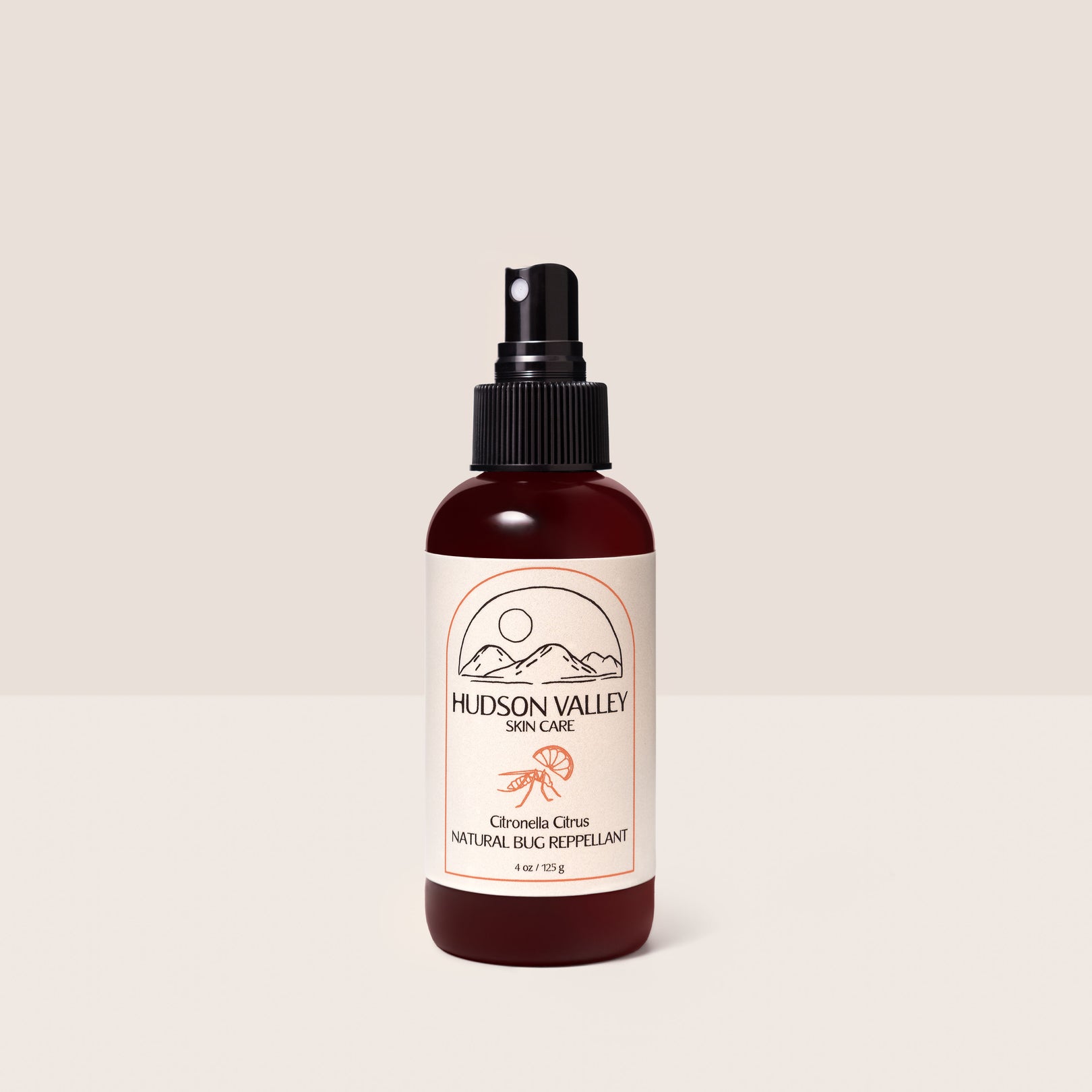
We always go double duty. Spray your clothes, shoes, socks, spray everything. We always reach for a natural citronella blend or bug spray designed for tick prevention.
When You Get Back
Do a Full Body Tick Check
Check your hairline, behind the knees, underarms, between the toes, belly button, and ears. Anywhere warm. Do this before you sit down on anything.
Shower Within 2 Hours
Take a full everything shower. Cleanse, exfoliate, wash your hair. Get it all off.
Dry Clothes on High Heat
Throw your clothes in the dryer before you do anything else. High heat for 10 minutes can help kill ticks that may have hitched a ride home.
So You Found a Tick. Now What?
If it’s been a few hours or even a few days and you realize you have a tick attached to you, don’t panic.
Remove the tick with tweezers or a tick key as soon as possible. Clean and sterilize the bite site afterward. If possible, keep the tick in a zip-lock bag so it can potentially be tested for tick-borne diseases later.
Regardless, follow up with your primary care doctor as soon as possible and monitor for any “bullseye” shaped rash that may appear around the bite. That can be an early sign of Lyme disease.
Treatment recommendations can vary depending on the type of tick, length of attachment, symptoms, and your healthcare provider’s assessment. What matters most is that you follow up and don’t let it go unchecked.
Tick Safety in the Hudson Valley
With the right prep and a solid after-care routine, you can still enjoy every waterfall, trail, overlook, and camping trip the Hudson Valley has to offer this summer.
Just don’t go frolicking through any fields. Even if they look picturesque.
Made for exactly this time of year.
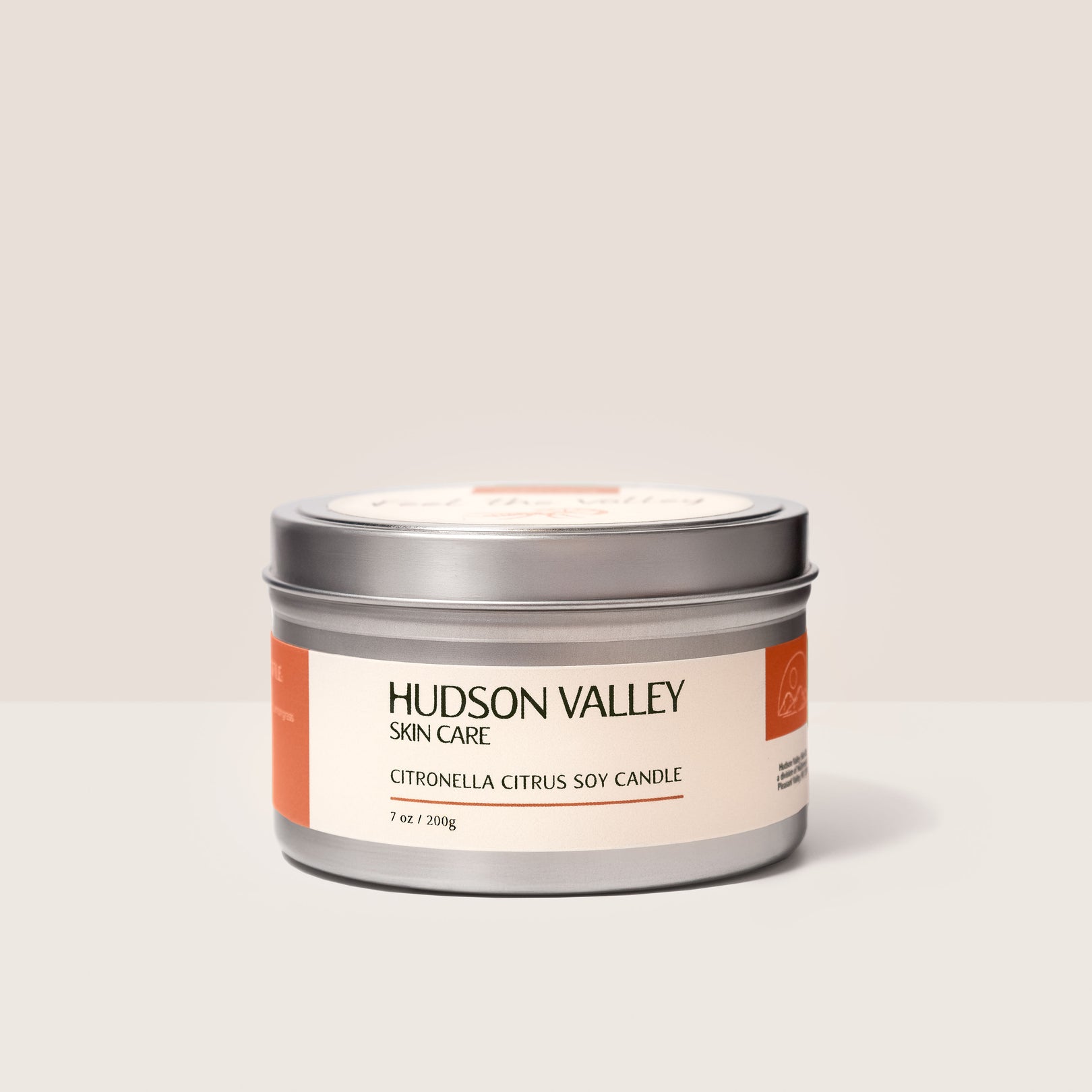
Citronella Citrus Soy Candle
Light it on the porch. Let it do its thing. Enjoy the night.
Shop the CandleOur natural bug spray is made right here in the Valley. DEET-free, citronella-based, and made for exactly this time of year.