Part of being a cruelty-free brand means taking a hard look at where your ingredients come from. For us, that means skipping palm oil entirely. You won't find it in any of our products. Not because it's easy to avoid (it isn't), but because we think the cost to the planet is too high to justify the convenience.
What Is Palm Oil?
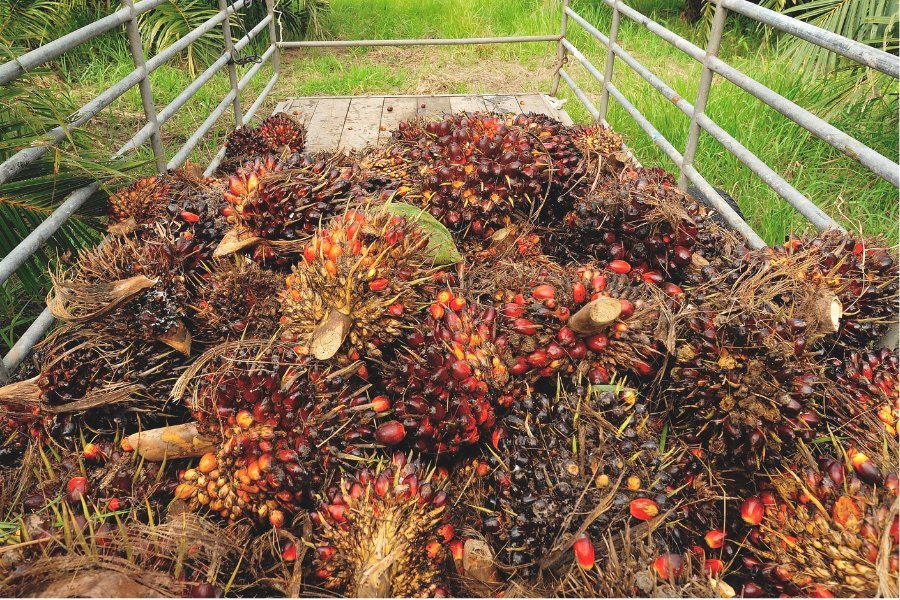
Palm oil is derived from the fruit of the Elaeis guineensis tree, which is native to west and southwest Africa. About 100 years ago, these trees were brought to Southeast Asia as an ornamental crop. Today, Indonesia and Malaysia alone account for more than 85% of the global palm oil supply, with over 40 other countries also producing it.
It shows up everywhere: snack foods, packaged goods, cosmetics, shampoos, lipsticks, soaps, biofuel, and animal feed. Its versatility, low cost, and functional benefits, including a beautiful foamy lather and an ideal melting point for certain cosmetics, make it an easy default for brands trying to keep costs down. That's exactly the problem.
Why Palm Oil Is Bad for the Planet
The issue with palm oil isn't the ingredient itself. It's how it's produced.
Palm oil production is responsible for 2.3% of global deforestation and an estimated 5% of tropical deforestation worldwide. That deforestation happens across Indonesia, Malaysia, Nigeria, Kenya, Thailand, Papua New Guinea, Colombia, Brazil, India, Cameroon, Benin, the Democratic Republic of Congo, and Sierra Leone, among others.
🌳
Carbon storage lost
Trees and peatland swamps are among the most effective ways of pulling carbon from the atmosphere. Palm oil plantations replace them.
🦧
Endangered habitats destroyed
Deforestation destroys habitat for the Pygmy Elephant, Sumatran Rhino, and Orangutan, pushing already endangered species closer to extinction.
There is a certification body called the RSPO (Roundtable on Sustainable Palm Oil) that works to improve production practices. We respect that effort, but we'd rather skip the ingredient altogether. When a better option exists, we take it.
What We Use Instead
The good news is that palm oil isn't irreplaceable. Our bar soaps are built on a base of ingredients that perform just as well, and in many ways better, without any of the environmental baggage.
What's in our bar soap instead
🥥
Coconut oil
Creates a rich, cleansing lather and contributes to the hardness of the bar. Does everything palm oil does in soap, without the deforestation.
🌿
Castor oil
Boosts lather and adds a conditioning, moisturizing quality that keeps skin soft after every wash.
🧈
Shea butter
Deeply nourishing and skin-softening. Adds a creaminess to the lather that palm oil simply doesn't bring.
🌻
Sunflower seed oil
Light, skin-friendly, and rich in vitamin E. A conditioning oil that keeps the bar gentle on all skin types.
🍺
Beer, goat milk, whiskey, coffee, and more
Our bars go further than just oils. These unique additives bring real skin benefits and make each bar something you genuinely can't find anywhere else.
Part of a Bigger Commitment
Avoiding palm oil is one piece of a larger picture. We're a small brand rooted in the Hudson Valley, and we take the land around us seriously. That's why we're proud to give 1% of our revenue back to the American Farmland Trust, an organization dedicated to protecting farmland across the country from development and supporting the farmers who steward it.
The connection matters to us. Deforestation abroad and farmland loss here at home are two sides of the same problem: land being taken from nature and agriculture for short-term gain. Supporting American Farmland Trust is our way of putting our money where our values are, right alongside the decision to leave palm oil out of our formulas entirely.
When you choose Hudson Valley Skin Care, you're choosing a bar of soap with a short, honest ingredient list and no palm oil. You're also supporting a brand that thinks about where ingredients come from, where revenue goes, and what kind of world we're all trying to leave behind.
Palm-oil-free, Hudson Valley made


Small choices add up. Choosing palm-oil-free products is one of the simplest ways to vote with your dollar for a cleaner, more sustainable supply chain. We're grateful to make that choice easy.